

13th International Conference on Materials for Advanced Technologies
Suntec Singapore Convention and Exhibition Centre
5 – 9 July 2027
Countdown to ICMAT 2027
Welcome to ICMAT 2027
MRS Singapore warmly welcomes you to the International Conference on Materials for Advanced Technologies (ICMAT) 2027. The ICMAT series stands as the premier scientific platform for presenting pioneering research to an interdisciplinary and international audience.
Join us at ICMAT 2027 to explore the future of materials science. This conference offers a unique opportunity for researchers at every level to share their knowledge, exchange technical insights, and build networks with like-minded peers worldwide!
Hear From
Our Nobel Laureates
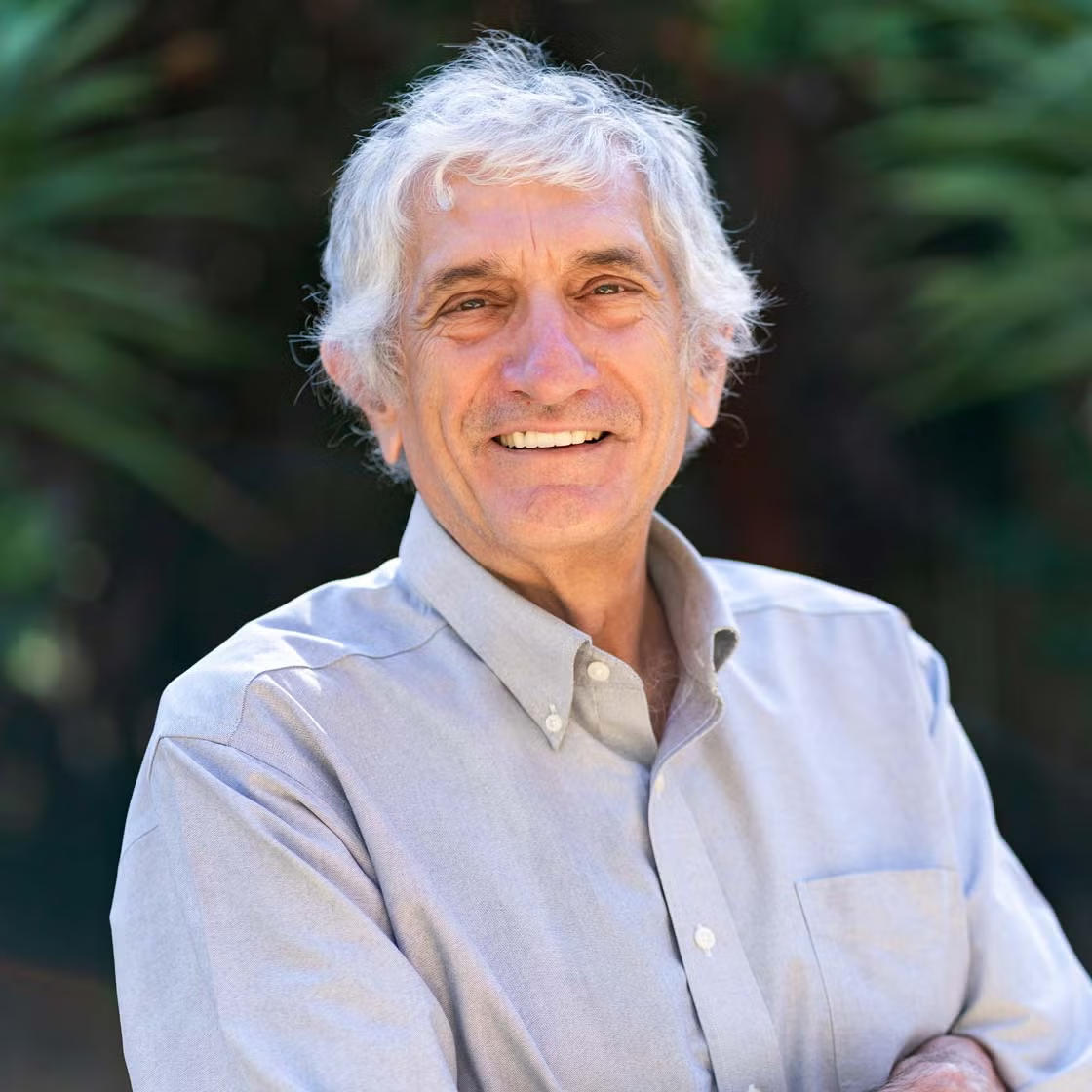
John Martinis
2025 Nobel Laureate in Physics
UC Santa Barbara & Qolab, USA
John Martinis
2025 Nobel Laureate in Physics UC Santa Barbara & Qolab, USA
John Martinis
2025 Nobel Laureate in Physics
UC Santa Barbara and Qolab, USA
Nobel Laureate Public Lecture: Prehistoric qubits: experiments testing the fundamental physics of superconducting quantum devices
Quantum mechanics was developed to describe the physics of the small, for fundamental particles, atoms and molecules. But does it still work for macroscopic systems? This question was proposed by Anthony Leggett to potentially explain the Schrodinger cat paradox. I will describe my PhD thesis experiment in 1985 that showed the macroscopic current and voltages in a 1 cm chip obey the quantum phenomena of tunneling and energy-level quantization. Over the last 40 years, many physicists around the world have continued research on quantum devices, leading to a large effort to develop superconducting quantum bits and a quantum computer. I will describe my efforts building qubit technology, leading to the quantum supremacy experiment at Google that showed powerful quantum computing. I will also describe my startup company Qolab that aims to build a useful quantum computer, focusing on chip manufacturing that uses the latest 300mm semiconductor fabrication tools.
Plenary Lecture: Materials for manufacturing superconducting qubits
Bio:
John Martinis is a distinguished physicist who was awarded the 2025 Nobel Prize in Physics for his groundbreaking contributions to quantum computing. With a focus on superconducting qubits, Martinis has been at the forefront of developing high-fidelity qubits essential for scalable quantum processors. Prior to founding Qolab, Martinis was a key figure behind Google’s quantum supremacy experiment, he led the hardware team that demonstrated a quantum computer outperforming the world’s best classical supercomputers. His pioneering work in quantum error correction and scalable quantum processors has significantly advanced the field. Martinis continues to inspire and mentor the next generation of quantum engineers and scientists, driving forward the practical implementation of quantum computing.
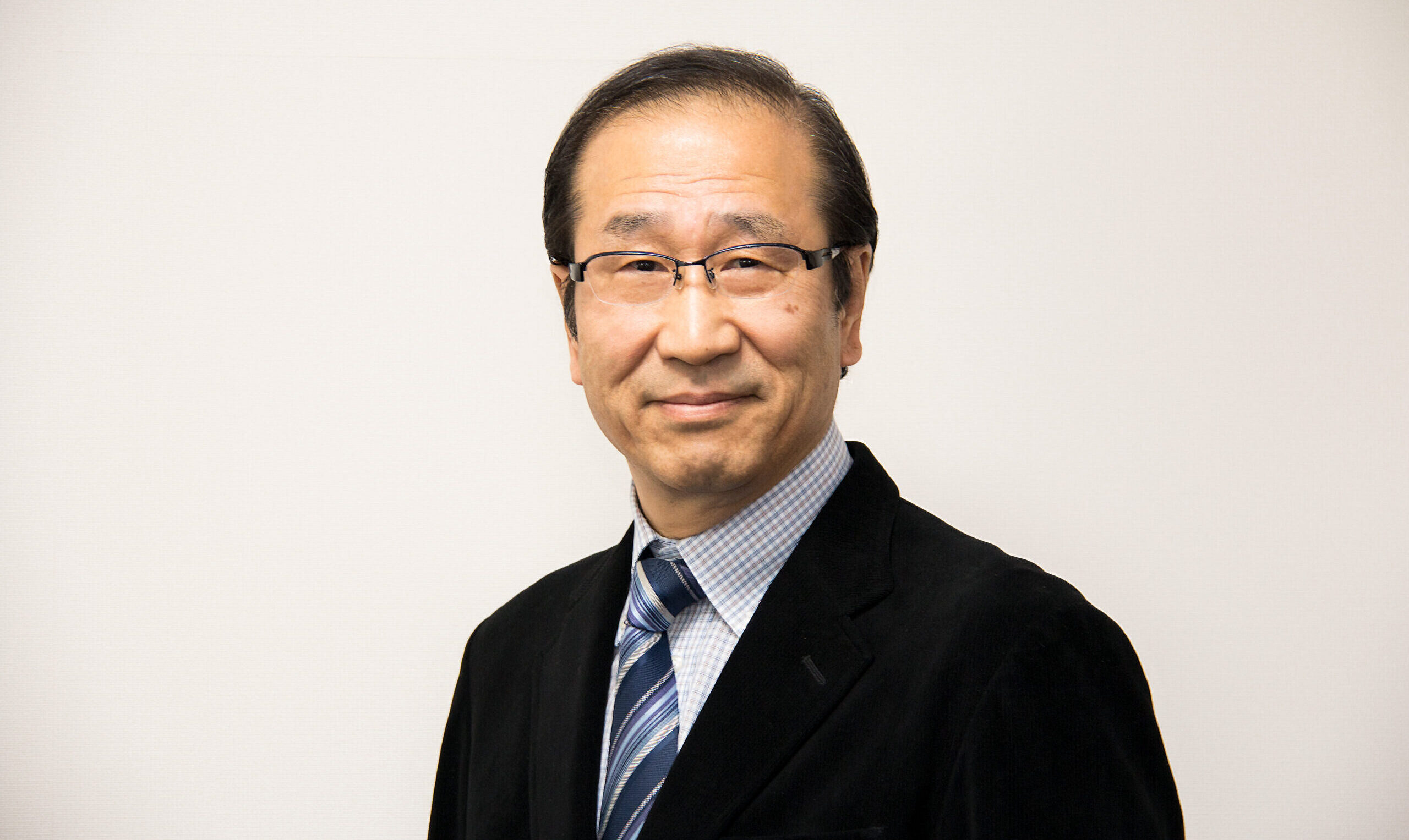
Susumu Kitagawa
2025 Nobel Laureate in Chemistry
Kyoto University, Japan
Susumu Kitagawa
2025 Nobel Laureate in Chemistry Kyoto University, Japan
Susumu Kitagawa
2025 Nobel Laureate in Chemistry
Kyoto University, Japan
Nobel Laureate Public Lecture: From Emptiness to Function – The Philosophy and Chemistry of Molecular Space
For much of human history, empty space was often regarded as the absence of value. In the Western intellectual tradition, Aristotle famously stated that “nature abhors a vacuum,” reflecting a view that completeness and density are associated with perfection. In materials science, this perspective persisted for centuries: solids were expected to be dense, rigid, and unchanging.
Yet some of the most important advances in chemistry have emerged from questioning such assumptions. The development of metal–organic frameworks (MOFs) introduced a fundamentally different concept: empty space within a crystal can be designed, controlled, and transformed into a source of function. These porous crystalline materials contain precisely defined molecular spaces capable of storing, separating, and recognizing molecules with remarkable selectivity. The origins of this research were rooted not in immediate applications but in curiosity-driven exploration of coordination chemistry, at a time when porous crystals were often considered scientifically unimportant. Over time, these studies evolved into a new field of materials science and revealed that molecular space itself can become an active component of function. More recently, the discovery of Soft Porous Crystals has shown that molecular space is not merely static. These materials can adapt, breathe, and respond to guest molecules, demonstrating that order and flexibility can coexist within a crystalline framework. Such behavior challenges traditional notions of matter and suggests new design principles based on responsiveness rather than rigidity.
This lecture explores the scientific journey from “emptiness” to function, highlighting how unconventional ideas can reshape entire fields of research. Beyond the chemistry of MOFs, it reflects on broader questions concerning creativity, curiosity, and the role of fundamental research in generating unexpected innovations. The story of molecular space illustrates how concepts once regarded as useless may ultimately transform the way materials are designed and how society addresses challenges in energy, environment, and health.
Plenary Lecture: Soft Porous Crystals: A New Paradigm in MOF Chemistry
For decades, functional materials have been designed based on the central principle that rigidity defines performance. Dense and stable structures are associated with key properties such as conductivity, magnetism, and mechanical strength, forming the foundation of modern materials science. Within this framework, structural flexibility has generally been viewed as a weakness rather than a source of function. This talk will present a fundamentally different perspective emerging from the study of metal–organic frameworks (MOFs): softness and structural dynamics can themselves generate function. This idea has led to the development of Soft Porous Crystals (SPCs), which are crystalline materials that undergo reversible, stimulus-responsive structural transformations upon interaction with guest molecules. In contrast to traditional porous materials characterized by static architectures, SPCs exhibit dynamic structural adaptations, such as breathing, gate-opening, and framework deformation. In these systems, function is not solely predetermined by structure; rather, it emerges through the interplay between flexibility and molecular recognition. This enables selective adsorption, responsive transport, and tunable interactions with gases and other species. The origins of this paradigm trace back to early studies of coordination polymers, when such materials were not widely regarded as functional. Over time, the ability to design ordered nanospaces gave rise to MOFs as a new materials platform. The discovery of their dynamic behavior challenged the long-standing assumption that crystallinity requires rigidity, demonstrating that order and softness can coexist within a single material system. More recently, the field has begun to evolve toward a fourth generation of MOF-based materials, where hybridization and interface engineering are essential. By integrating SPCs with other materials, dynamic molecular behavior can be translated into macroscopic functionality, opening new opportunities for practical applications. Beyond their fundamental significance, SPCs hold strong potential to address challenges in energy, the environment, and health, particularly through the selective capture and transformation of gas molecules. More broadly, they illustrate how a shift in perspective—from rigidity to adaptability—can redefine the design principles of materials science. I will conclude by discussing how this emerging paradigm of dynamic porous materials may shape the future of chemistry, in which function arises not from static structures but from responsive and adaptive behavior.
Bio:
Kitagawa’s main research field is inorganic and material chemistry, in particular, chemistry of coordination space, and his current research interests are centered on synthesis and properties of porous coordination polymers/metal-organic frameworks.
He was the first to discover and to demonstrate “porosity” for metal complexes with gas sorption experiments (1997), whose materials are called porous coordination polymers (PCPs) or metal-organic frameworks (MOFs). To date, MOFs are classified as a new category of porous materials, as opposed to the conventional classifications of inorganic and carbon materials. Kitagawa pioneered the functional chemistry of MOFs, and discovered flexible MOFs, dissimilar to those of conventional porous materials. Today several hundred different MOFs are known, and over 7,000 articles on this class of materials have been published annually worldwide. The research developments built on his discoveries are anticipated to lead to radical innovations in materials science, with wide-ranging implications for both academia and industry. Chemical industry firms are producing MOF materials for use in purification, storage, and transportation of gases, among other applications. Kitagawa’s achievement has blazed a trail to a new era for porous materials, vital to addressing energy and environmental issues and contributing to human welfare.
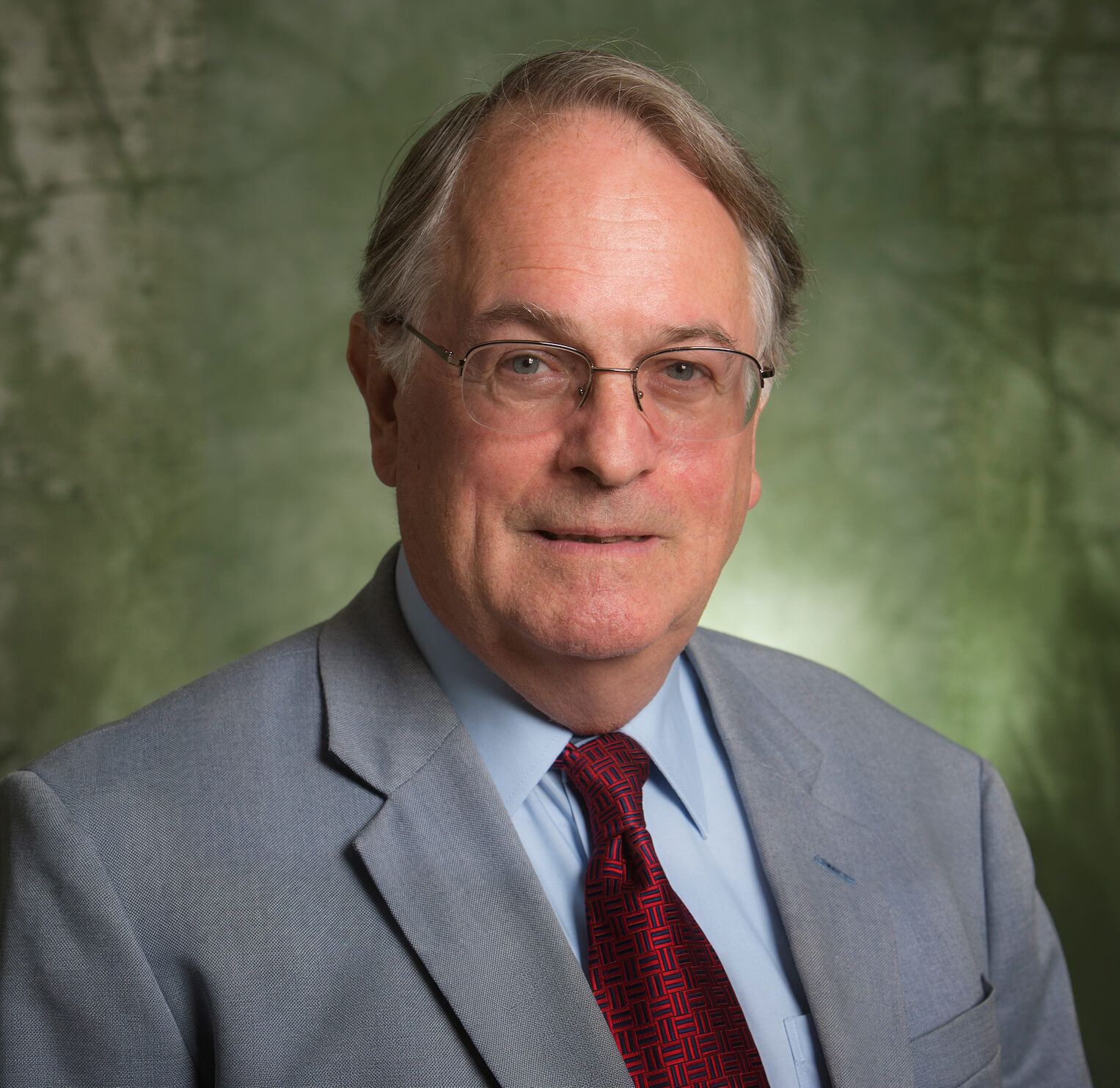
Stanley Whittingham
2019 Nobel Laureate in Chemistry
Binghampton University, USA
Stanley Whittingham
2019 Nobel Laureate in Chemistry Binghampton University, USA
Sir M. Stanley Whittingham, FRS
2019 Nobel Laureate in Chemistry
NECCES and Chemistry Department, Binghamton University, Binghamton, NY, USA
Nobel Laureate Public Lecture: History of the Lithium Battery, from an Idea to Domination
The first reversible lithium battery was built in 1972; it used a lithium metal anode, a single crystal of conducting titanium disulfide and an organic electrolyte. From that test tube experiment to the GWh storage facilities seen today in the USA and Australia took more than 50 years. I will describe my journey and that of the battery in this presentation. I thank the US Department of Energy for their continued support of my research.
Plenary Lecture: Li Batteries are 50 Years Old: Can We Build a Sustainable Manufacturing Industry
Lithium batteries celebrated their 50th anniversary in 2022, but they still achieve only 25% of their theoretical energy density and this has not changed significantly over the last decade. In addition, the manufacturing process, from mine to finished product, requires 40-80 kWh of energy to build a 1 kWh Li-ion battery; part of this is due to transporting over extensive distances, up to 50,000 miles. Moreover, they use toxic solvents such as NMP to make the electrodes and containing a number of components that lead to PFAS contamination of the environment. The graphitic carbon takes up 50% of the volume of the cell and must be replaced. Thus, there is much interest in using dry, or aqueous, based processing just as Exxon did in the 1970s. The present status and possible future approaches will be discussed. I thank the US Department of Energy for their support of my research over the last 30 years.
Bio:
M. Stanley Whittingham’s research interest and expertise includes elucidation of the limiting mechanisms, chemical and structural, of intercalation reactions using a variety of synthetic and characterization approaches, both in-situ and ex-situ. Development of new materials and new synthetic approaches.
Whittingham was recently awarded the Nobel Prize in Chemistry for his development of lithium-ion batteries. He and his team discovered that holding lithium ions between plates of titanium sulfide created electricity. The lightweight lithium-ion batteries power laptops, tablets, cellphones and most electric cars. They have laid the foundation for a wireless, fossil fuel-free society.
The research interests of the materials chemistry group are in the preparation and chemical and physical properties of novel inorganic oxide materials. Much of their effort is targeted at finding new materials for advancing energy storage. Recently, they have discerned the critical role that single-phase reactions play in the discharge of battery electrodes. Their goal is to significantly improve the storage ability of electrochemical devices so as to make renewable solar and wind energy viable and to enable electric vehicle range and cost. Their research involves much materials characterization at the major National Laboratories.
Education
DPhil, Chemistry, Oxford University, England
MA, Oxford University, England
BA, Chemistry, Oxford University, England
Awards
Nobel Prize in Chemistry, 2019
Chancellor’s Award for Excellence in Scholarship and Creative Activities, 2006-2007
Thomson Reuters Citation Laureate, 2015
ISSI Senior Scientist Award, 2017
Member National Academy of Engineering, 2018
Turnbull Award, Materials Research Society, 2018
Important Dates
Make sure to mark your calendars these crucial dates that are coming up soon.
Call for Abstract Open
1 September 2026
Abstract Submission Deadline
15 January 2027
Notification of Results
15 February 2027
Early Bird Registration
1 Sep 2026 – 15 Mar 2027
Materials Research Society of Singapore
The Materials Research Society of Singapore (MRS-S) was formed in 1999 as a not-for-profit organisation to serve a rapidly emerging materials science community. The Society is affiliated with the International Union of Materials Research Societies (IUMRS) and hosted its Head Office from 2021-2025. Since its inception, the focus of MRS-S has been to promote materials science not only to researchers in Singapore, but also to publicise the niche capabilities of local researchers throughout Asia and further afield. To this end, the Society’s major activity is the organisation of a biennial event – the International Conference on Materials for Advanced Technologies or ICMAT – that is held in June/ July and attracts more than ~2,500 delegates from all over the world.
Organized by

Supported by